
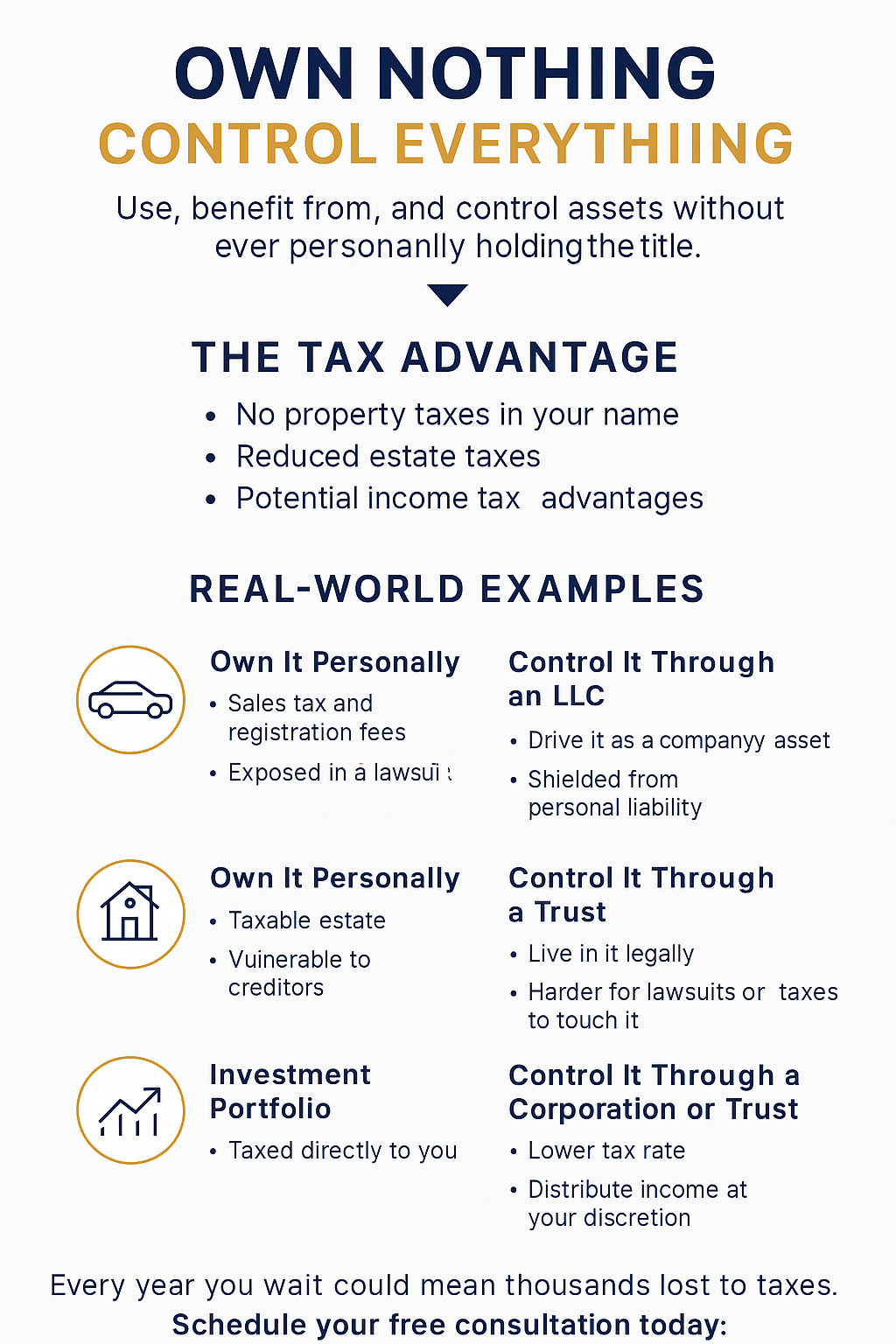

Own Nothing, Control Everything:

Chante Denis • September 20, 2025

The Wealth Secret They Don’t Teach You in School

Picture this: You’re sipping coffee on the balcony of your oceanfront villa. The waves are yours to enjoy, the sunsets are yours to savor… but on paper, you don’t own the property. No property taxes in your name. No risk of losing it in a lawsuit. Yet every morning, you wake up to that same view.


Sounds impossible? It’s not. It’s the strategy the ultra-wealthy have been using for decades: Own Nothing, Control Everything.


💡 What It Really Means

If your name is on the title, deed, or account, you’re exposed. Taxes, lawsuits, creditors—they all have a direct line to your assets. But if those assets are held in the right legal structures—like trusts, LLCs, or corporations—you can still use and benefit from them without technically owning them.

And here’s the kicker: You can’t be taxed on what you don’t own.


Why This Matters: The Tax Advantage

When you don’t personally own the asset:

  • No personal property taxes in your name.
  • Reduced estate taxes when passing wealth to heirs.
  • Potential income tax advantages when structured correctly.

This isn’t about hiding assets—it’s about structuring them intelligently.


Why This Matters: The Tax Advantage

When you don’t personally own the asset:

  • No personal property taxes in your name.
  • Reduced estate taxes when passing wealth to heirs.
  • Potential income tax advantages when structured correctly.

This isn’t about hiding assets—it’s about structuring them intelligently.


Real-World Examples

1️⃣ The Luxury Car

  • Own It Personally: You pay sales tax, registration fees, and it’s exposed in a lawsuit.
  • Control It Through an LLC: The LLC owns the car, you drive it as a company asset. Costs may be deductible, and it’s shielded from personal liability.


2️⃣ The Dream Home

  • Own It Personally: It’s part of your taxable estate and vulnerable to creditors.
  • Control It Through a Trust: The trust holds the title, you live in it under a legal agreement. You enjoy it, but it’s not technically yours—making it harder for lawsuits or taxes to touch it.


The Investment Portfolio

  • Own It Personally: Dividends and gains are taxed directly to you.
  • Control It Through a Corporation or Trust: The entity earns the income, and you decide how and when to distribute it—potentially lowering your tax rate.


🚫 Myth vs. Reality

Myth: “If I don’t own it, I can’t use it.”
Reality: You can still enjoy full use through legal agreements—just without the same risks and tax burdens.


Why the Wealthy Play This Game

  • Protect wealth from lawsuits and creditors.
  • Minimize taxes legally.
  • Pass on assets without probate or estate tax headaches.

It’s not about greed—it’s about playing by the rules better than everyone else.


🚀 Your Next Step

Every year you wait could mean thousands lost to taxes or legal exposure. The sooner you structure your assets strategically, the sooner you can protect and grow your wealth.

Schedule your free consultation today: https://propps.me/masterwealthbuilders

Share...

Calculator, eyeglasses, pen, and chart papers on a desk with a plant
September 30, 2026
Learn how to calculate your net worth using a simple assets-minus- liabilities formula. See two examples, common mistakes, tracking tips, and free online calculators.

Nested money-supply layers showing cash, bank deposits,
and institutional near-money assets.
By Chante Denis • September 29, 2026
What is the difference between M2 and M3 money supply? Learn what each includes, how liquidity works, how Fed QE and QT affect financial conditions, why the Fed stopped publishing M, and how the ECB defines M.

Jasmine Rush
By Chante Denis • September 28, 2026
Meet Jasmine Rush, the Navy veteran behind Speaking From the Lens, Mission to Momentum, and Speaking Beyond the Lens—businesses built around storytelling, strategy, advocacy, and legacy.

By Manus AI • September 16, 2026
Compare public, private, permissioned, consortium, and hybrid blockchains across access, privacy, security, governance, cost, scalability, and use cases. Learn which architecture fits your organization.

When you deposit money into your bank account, have you ever wondered: Is my money just sitting...
By Chante Denis • January 22, 2026
Learn what fractional reserve banking is, how it works, and why it matters—explained in plain English with simple examples.
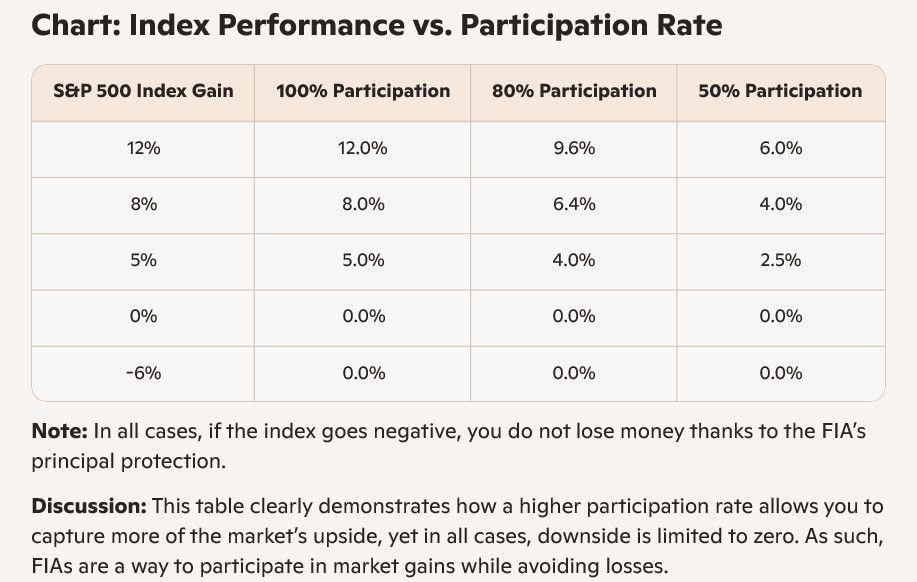
FIA returns explained
By Chante Denis • October 1, 2025
Key Takeaways - The participation rate determines how much of the index’s positive return your FIA credits you each year. - A higher participation rate means more upside growth, but it’s always paired with downside protection—your principal never shrinks due to market losses.
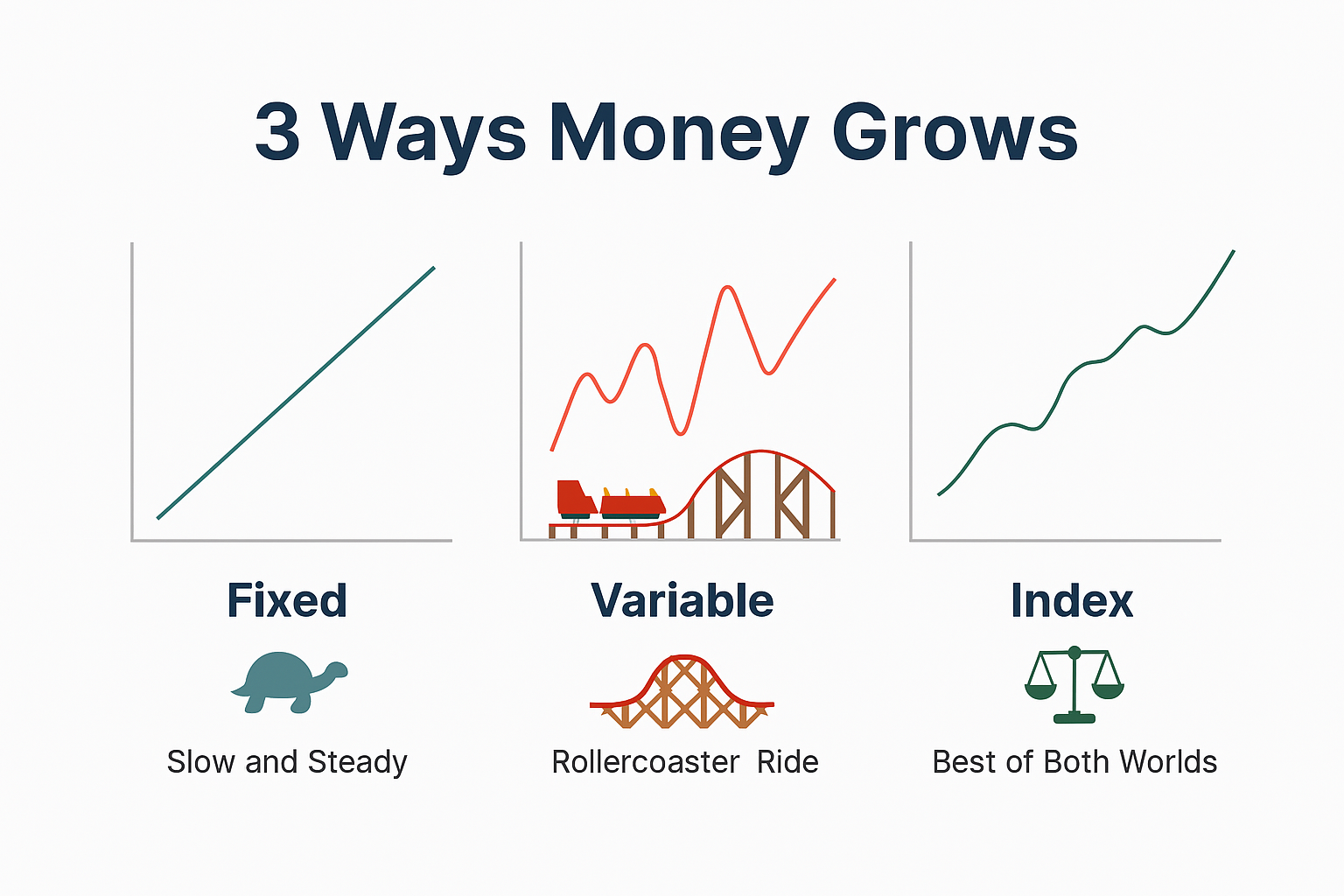
You earn when the market goes up, but you’re protected from losses when the market goes down.
By Chante Denis • September 28, 2025
Imagine you’re climbing a mountain. With stocks, you can climb fast—but you risk falling off the cliff. With a savings account, you’re safe, but you barely move upward. With an FIA, you climb steadily, and if you slip, there’s a safety harness that prevents you from falling below where you started.
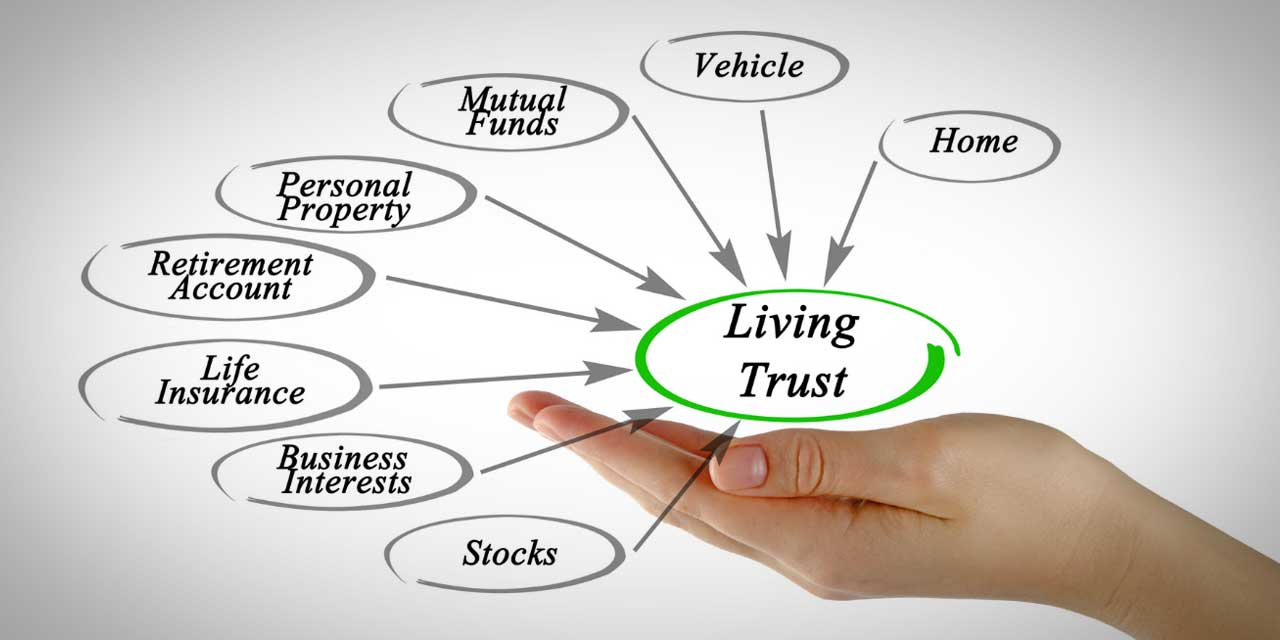
Why a Trust Beats a Will
By Chante Denis • September 24, 2025
“Thinking about estate planning? Find out why a trust is smarter than a will. Explore the advantages, from avoiding probate to protecting loved ones.”

FEEL BETTER. HEAL BETTER.
By Chante Denis • September 7, 2025
Led by a Certified Cryotherapies (CCT), Glacier Chill provides both onsite and mobile cryotherapy services, bringing the benefits of cutting-edge recovery right to you. Whether you’re an athlete pushing your limits, a busy professional combating stress, or someone looking for natural pain management
By Chante Denis • August 31, 2025
Fixed Index Annuities aren’t for everyone—but if you value principal protection, tax-deferred growth, and steady compounding without fees, they deserve a serious look. Your account manager may not tell you about them. But we will.
Show More