


Beyond the 9 to 5

Chante Denis • August 29, 2025

What’s Next?

The traditional 9 to 5 is a system designed for survival, not wealth. For decades, we’ve been taught that trading time for money is the only way to live — clock in, grind, collect a paycheck, repeat. But here’s the truth: no one ever gets rich working for someone else. The world’s wealthiest individuals didn’t build their legacies by staying trapped in a cubicle; they broke free, created value, and made themselves indispensable.


1. Stop Trading Time for Money


When you work for a company, you’re paid for your time, not your true value. Your earning potential has a ceiling because there are only so many hours in a day. The shift comes when you stop thinking in terms of “time” and start thinking in terms of “skills” and “solutions.”


2. Make Yourself Needed, Not Wanted


A job wants you — until they don’t. But when you position yourself as someone who provides a unique skill, service, or solution, you’re no longer replaceable. You become needed. Businesses and clients will seek you out because you solve problems, and problem-solvers create wealth.


3. Entrepreneurship: The Next Level


Entrepreneurship isn’t about starting the next tech giant overnight. It’s about identifying what you do best, packaging it as a service, and offering it in a way that brings results for others. When you create systems, products, or services that work even while you’re not “clocked in,” you unlock income that isn’t bound by the hours in your day. That’s freedom.


4. The Wealth Shift


Building wealth requires a new mindset: instead of asking, “How much can I earn per hour?”, start asking, “How much value can I create?” The more value you create, the more wealth flows to you. That’s the difference between staying stuck in a paycheck cycle and breaking into financial independence.


 If you’re ready to break free from the 9 to 5 mindset and build a life where your skills, services, and solutions work for you, it’s time to take the next step.


 Schedule your free consultation today: www.masterwealthbuildersllc.com


Share...

November 9, 2026
Discover how AI and cryptocurrency payment processing can improve business efficiency, reduce costs, automate operations, enhance customer experiences, and support long-term growth.

Hand holding a stylus over glowing business charts and analytics dashboard
November 3, 2026
Master Wealth Builders LLC is an education-first financial consulting firm led by TK Pryor, Wealth Strategist and Licensed Life Insurance Agent. It helps families, professionals, entrepreneurs, and business owners keep more of the money they make — and multiply more of the money they have— through coordinated retirement, insurance, tax, mortgage, and business strategy.

Glowing justice scales over a glass skyscraper at dusk in a modern city skyline
November 3, 2026
For modern business owners, the hardest decisions often come down to a constant tug-of-war: how do you maintain capital liquidity while simultaneously deploying enough cash to attract and retain top-tier talent? ​Most conventional financial advice treats these as competing interests. If you spend on elite employee benefits, your balance sheet shrinks. If you hoard cash to protect liquidity, you lose key executives to competitors. ​At Master Wealth Builders LLC, we reject this retail mindset. We help scaling enterprises implement institutional-grade financial strategies that solve both problems simultaneously—without disrupting cash flow. ​By restructuring how your business leverages capital and manages employee wellness, you can transform standard corporate expenses into wealth-building engines. Here is the framework we use to optimize our clients' capital and benefits architecture.

Calculator, eyeglasses, pen, and chart papers on a desk with a plant
September 30, 2026
Learn how to calculate your net worth using a simple assets-minus- liabilities formula. See two examples, common mistakes, tracking tips, and free online calculators.

Nested money-supply layers showing cash, bank deposits,
and institutional near-money assets.
By Chante Denis • September 29, 2026
What is the difference between M2 and M3 money supply? Learn what each includes, how liquidity works, how Fed QE and QT affect financial conditions, why the Fed stopped publishing M, and how the ECB defines M.

Jasmine Rush
By Chante Denis • September 28, 2026
Meet Jasmine Rush, the Navy veteran behind Speaking From the Lens, Mission to Momentum, and Speaking Beyond the Lens—businesses built around storytelling, strategy, advocacy, and legacy.

By Manus AI • September 16, 2026
Compare public, private, permissioned, consortium, and hybrid blockchains across access, privacy, security, governance, cost, scalability, and use cases. Learn which architecture fits your organization.

When you deposit money into your bank account, have you ever wondered: Is my money just sitting...
By Chante Denis • January 22, 2026
Learn what fractional reserve banking is, how it works, and why it matters—explained in plain English with simple examples.
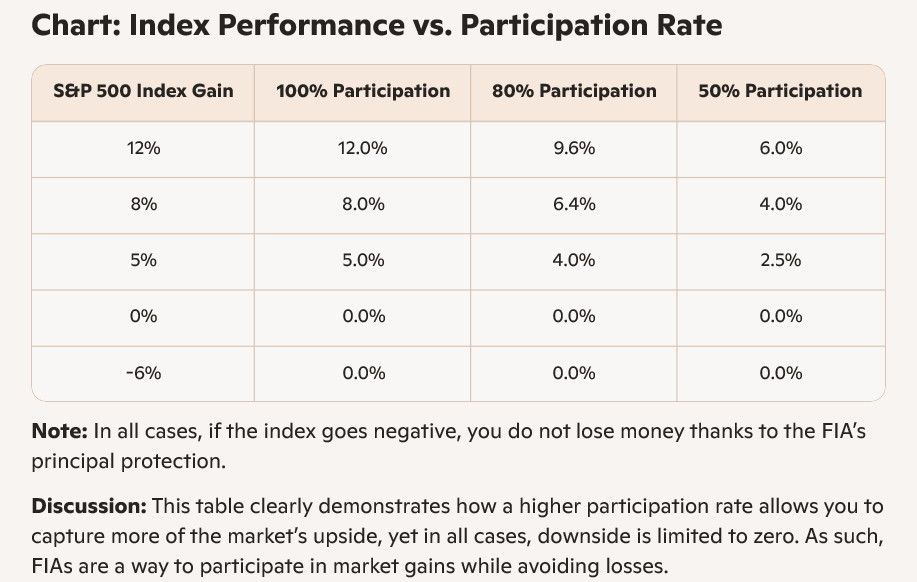
FIA returns explained
By Chante Denis • October 1, 2025
Key Takeaways - The participation rate determines how much of the index’s positive return your FIA credits you each year. - A higher participation rate means more upside growth, but it’s always paired with downside protection—your principal never shrinks due to market losses.
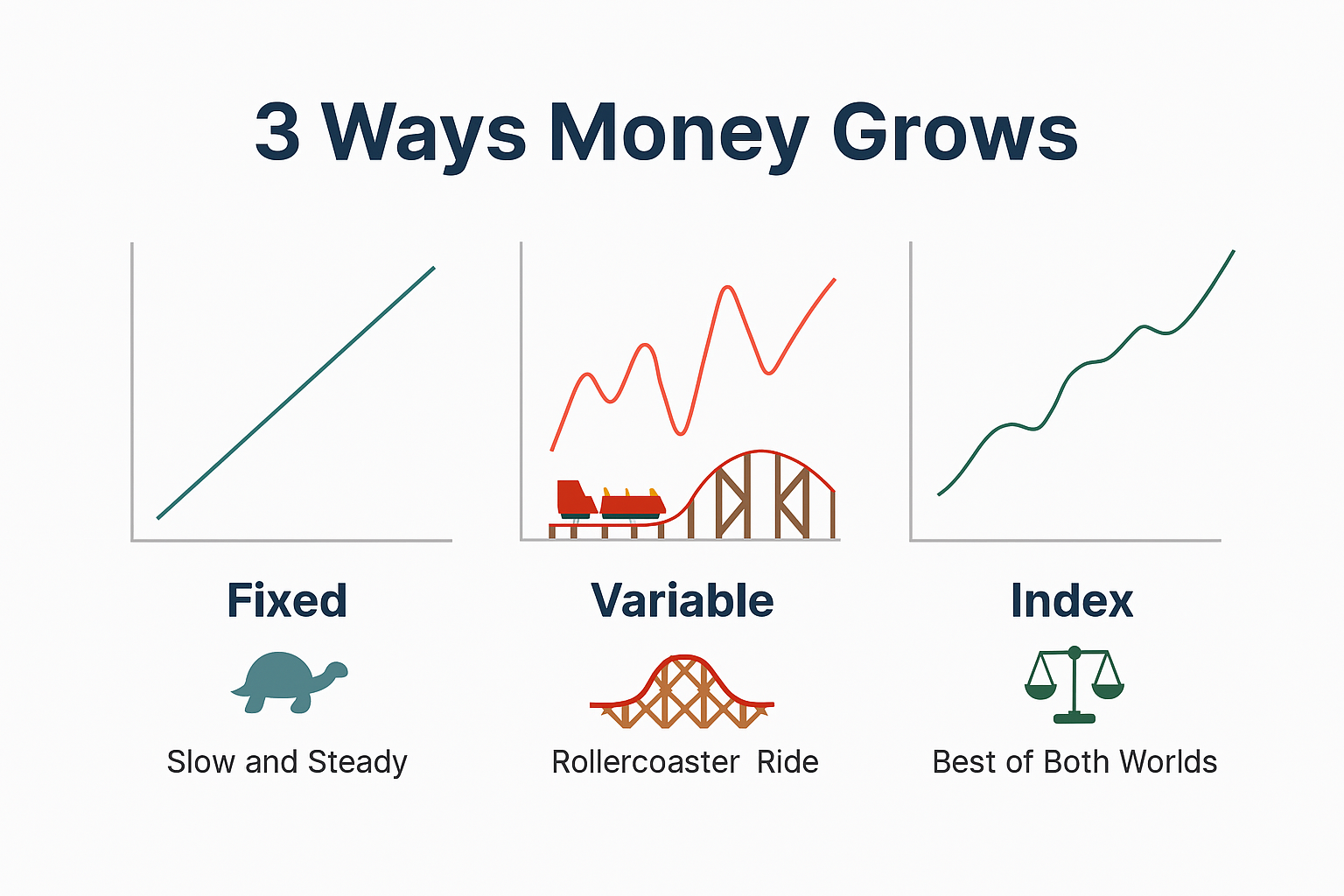
You earn when the market goes up, but you’re protected from losses when the market goes down.
By Chante Denis • September 28, 2025
Imagine you’re climbing a mountain. With stocks, you can climb fast—but you risk falling off the cliff. With a savings account, you’re safe, but you barely move upward. With an FIA, you climb steadily, and if you slip, there’s a safety harness that prevents you from falling below where you started.
Show More